

Monroe County encompasses the Florida Keys and is served by the 16th Judicial Circuit. Domestic violence cases here move through the same statewide legal framework that governs the rest of Florida, using courthouses in Key West, Marathon, and Plantation Key. Understanding how domestic violence cases unfold, from arrest through prosecution, can help residents and visitors alike know what to expect if a dispute results in a criminal charge.
Having the immediate assistance of an experienced criminal defense attorney is critical to protecting your rights and preserving your freedom while navigating the impact a domestic violence case has on your life.
Florida’s Mandatory Arrest Law
In Florida, when a law enforcement officer responds to a domestic dispute and finds probable cause that an act of violence occurred, they are required to make an arrest. First, they seek to determine the primary aggressor. The decision to arrest is not based on the victim’s preference or the couple’s relationship history. Domestic violence is broadly defined under Florida law as:
- Assault
- Battery
- Sexual assault
- Stalking
- Kidnapping
- False imprisonment
- Any other criminal offense that results in injury or death of a family or household member
If one or more of these actions were taken against a person by someone who is their current or former spouse, relative, parent of a shared child, or relation by blood or marriage, it can be considered domestic violence. The state attorney’s office handles domestic violence charges. If the accused perpetrator and alleged victim are simply dating but not living together, the crime falls under a different category of dating violence.
What Happens After an Arrest
A person arrested for domestic violence is required to be held in custody until they are brought before a judge, typically within 24 hours. At the initial hearing the court sets conditions for release and weighs the safety of all involved. A background check is performed to determine the accused’s history of domestic violence. A no-contact order is entered, barring the accused abuser from visiting, calling, texting, or otherwise contacting the victim. This requirement can last until the case is complete unless the accused petitions the court to have it lifted. This order often requires the accused to find alternative living arrangements and to negotiate child custody visits.
Florida follows a pro-prosecution policy in which state attorneys are directed to proceed with domestic violence charges even if the alleged victim later asks for the charges to be dropped.
Criminal Penalties for a Monroe County Conviction
Domestic battery, the most common domestic violence offense, is prosecuted as a first-degree misdemeanor, carrying up to one year in jail and a $1,000 fine. If the offense caused bodily injury, Florida law requires a mandatory minimum jail term; if the act took place near a child, the penalty is increased.
A conviction has consequences beyond the sentence. Mandatory completion of a state-certified violence intervention program, a no-contact order barring communication with the alleged victim, and the loss of the right to possess a firearm while on probation are mandatory. A second battery conviction is reclassified as a third-degree felony, punishable by up to five years in prison.
Injunctions are a Separate Process
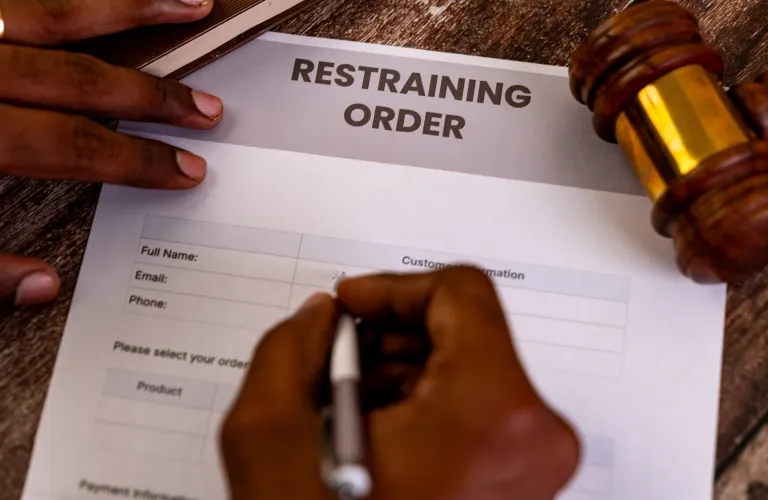
Injunctions for protection are essentially restraining orders. Petitions for injunctions covering domestic violence, repeat violence, dating violence, sexual violence, and stalking are filed and heard through the family courts, even at night, on weekends, and on holidays. An injunction can be requested regardless of criminal charges being filed, and violating one is a separate first-degree misdemeanor.
Legal Guidance Matters Early
An arrest for domestic violence in Monroe County can mean long-term consequences for a person’s criminal record, firearm rights, and family court standing. Anyone facing domestic violence charges will benefit from the legal guidance of the Brian M. Casey law office which can provide a clear understanding of the overlapping criminal and injunction proceedings and specific court procedures. Call for a consultation today.